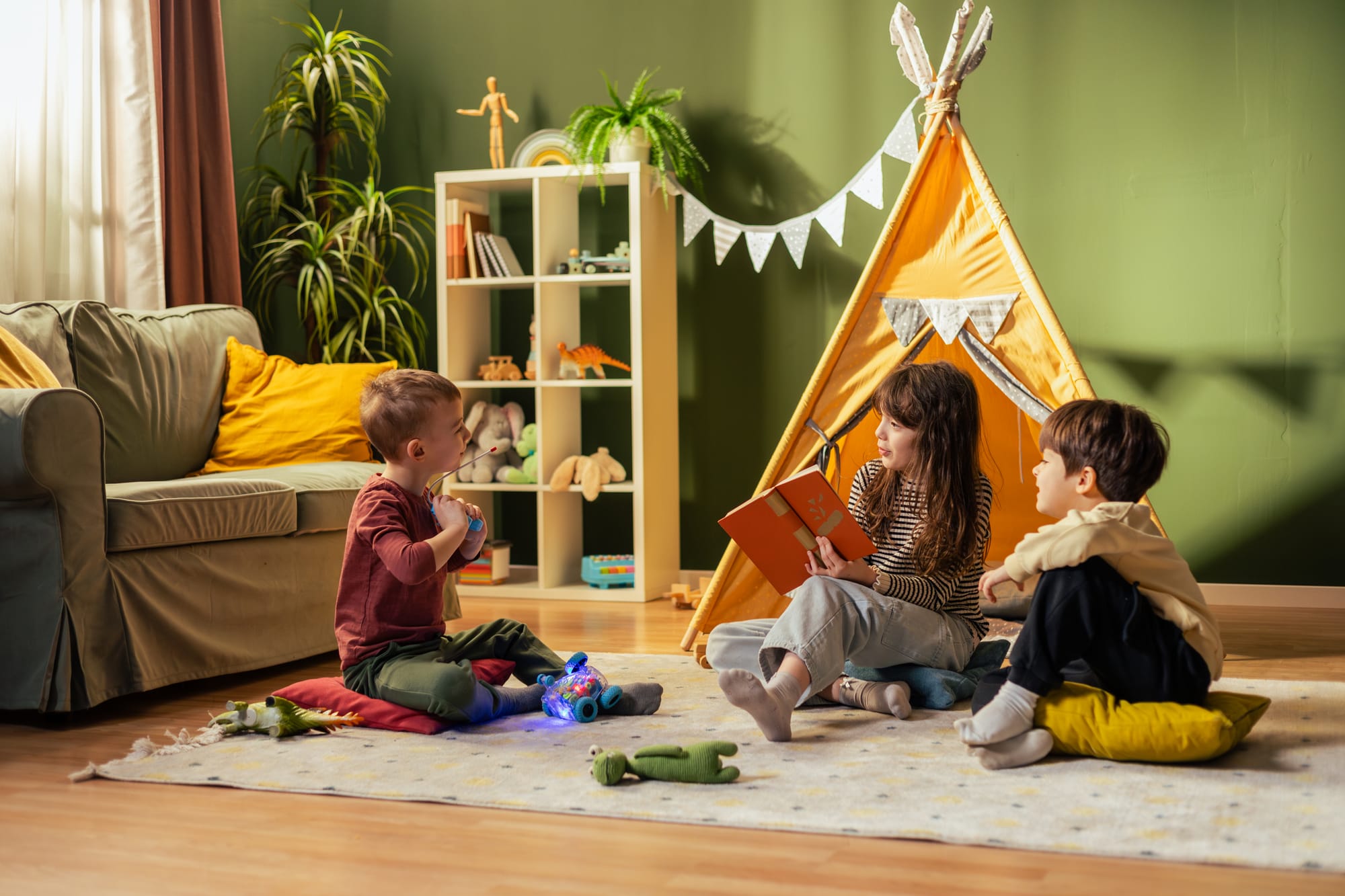
The Authoritative Parenting Style
The authoritative parenting style is said to be a balanced, supportive approach to raising children characterized by high emotional warmth combined with high, structured expectations. The model was developed by developmental psychologist Diana Baumrind in the 1960s. Since then, it has been heavily challenged by modern researchers, sociologists, and cross-cultural psychologists due to its euro-centric and culturally biased nature.
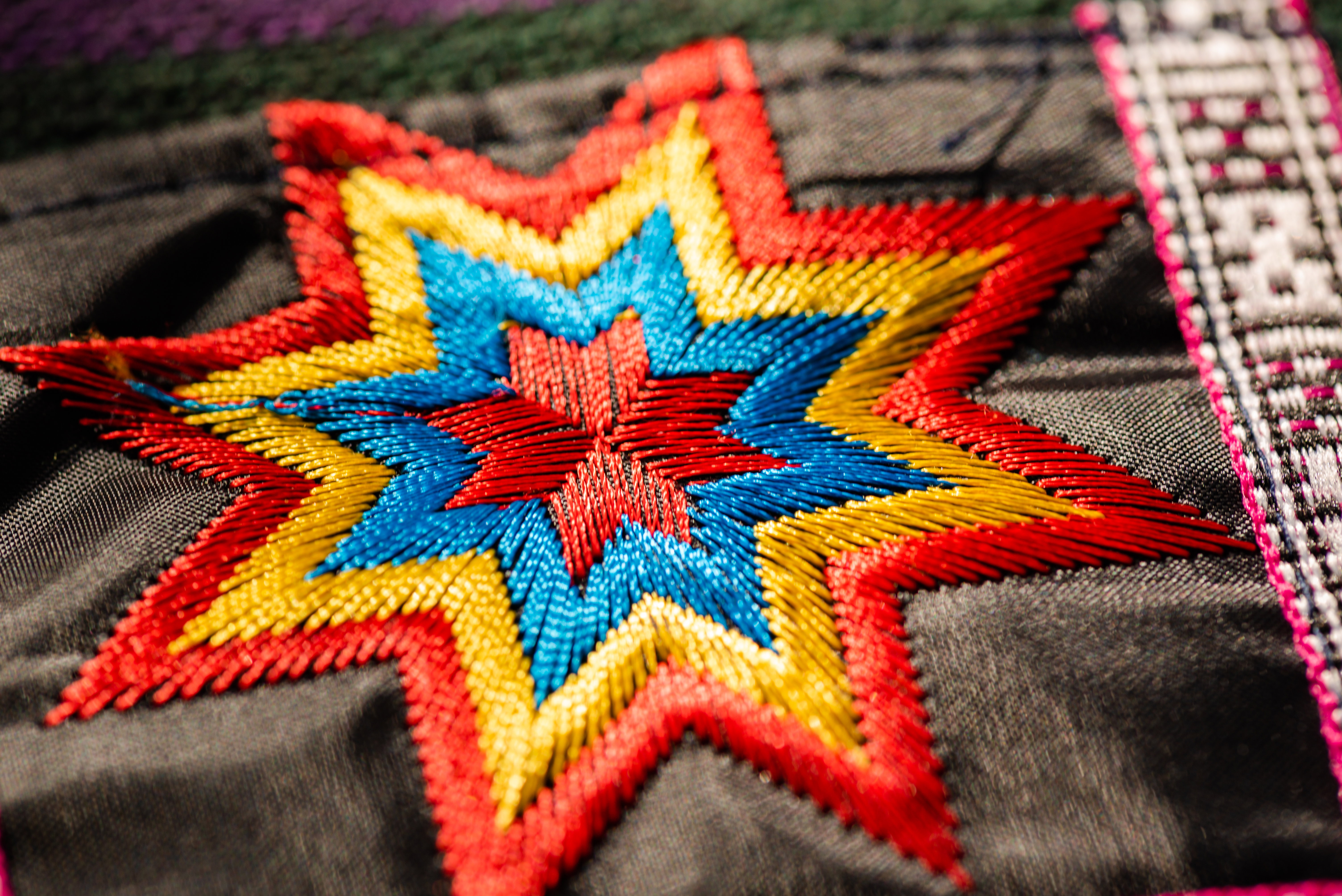
Indigenous Approaches to Parenting
While both Western authoritative parenting and traditional Indigenous approaches prioritize warmth and positive outcomes, they stem from fundamentally different worldviews. Authoritative parenting centers on a structured, nuclear family dyad where parents set clear boundaries to foster individual independence. Conversely, Indigenous parenting is a holistic, community-driven approach that views the child as an inherently autonomous, sacred gift connected to the land, culture, and spirit.

Gentle Parenting, Positive Discipline, and Responsive Parenting Models
The authoritative model assumes a top-down effect, where parental intervention shapes the child. However, behavioral geneticists point out that a child's innate temperament may heavily influence parenting. An easy-going child makes it easy for a parent to be authoritative, while a highly impulsive or aggressive child may push a parent toward more authoritarian or permissive extremes.
Modern Western movements like Gentle Parenting, Positive Discipline, and Responsive Parenting challenge the "demandingness" aspect of the authoritative model. Critics from these spaces argue that authoritative parenting is still inherently coercive because it relies on the parent remaining in ultimate control through engineered logical consequences and punitive consequences. They advocate instead for unconditional positive regard, emotional co-regulation, and shared problem-solving rather than top-down compliance.