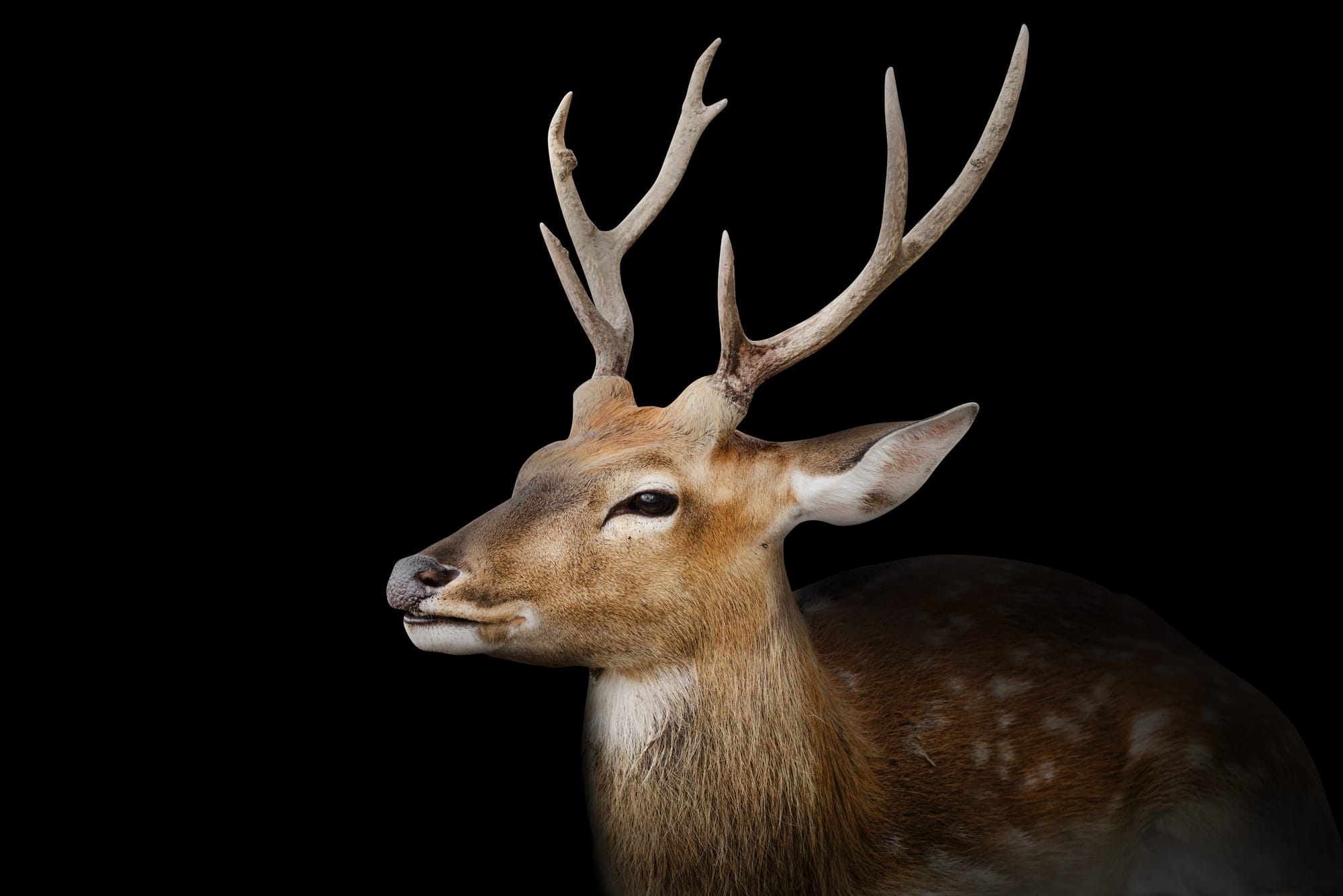
We see this intricate, invisible architecture mirrored perfectly in the animal kingdom, where creatures live in direct alignment with these unseen undercurrents. Deer, for instance, perceive the Earth's electromagnetic field through a specialized sense called magnetoreception, allowing them to naturally map the physical world and synchronize their behaviors, movements, and rest with the planet's natural currents.
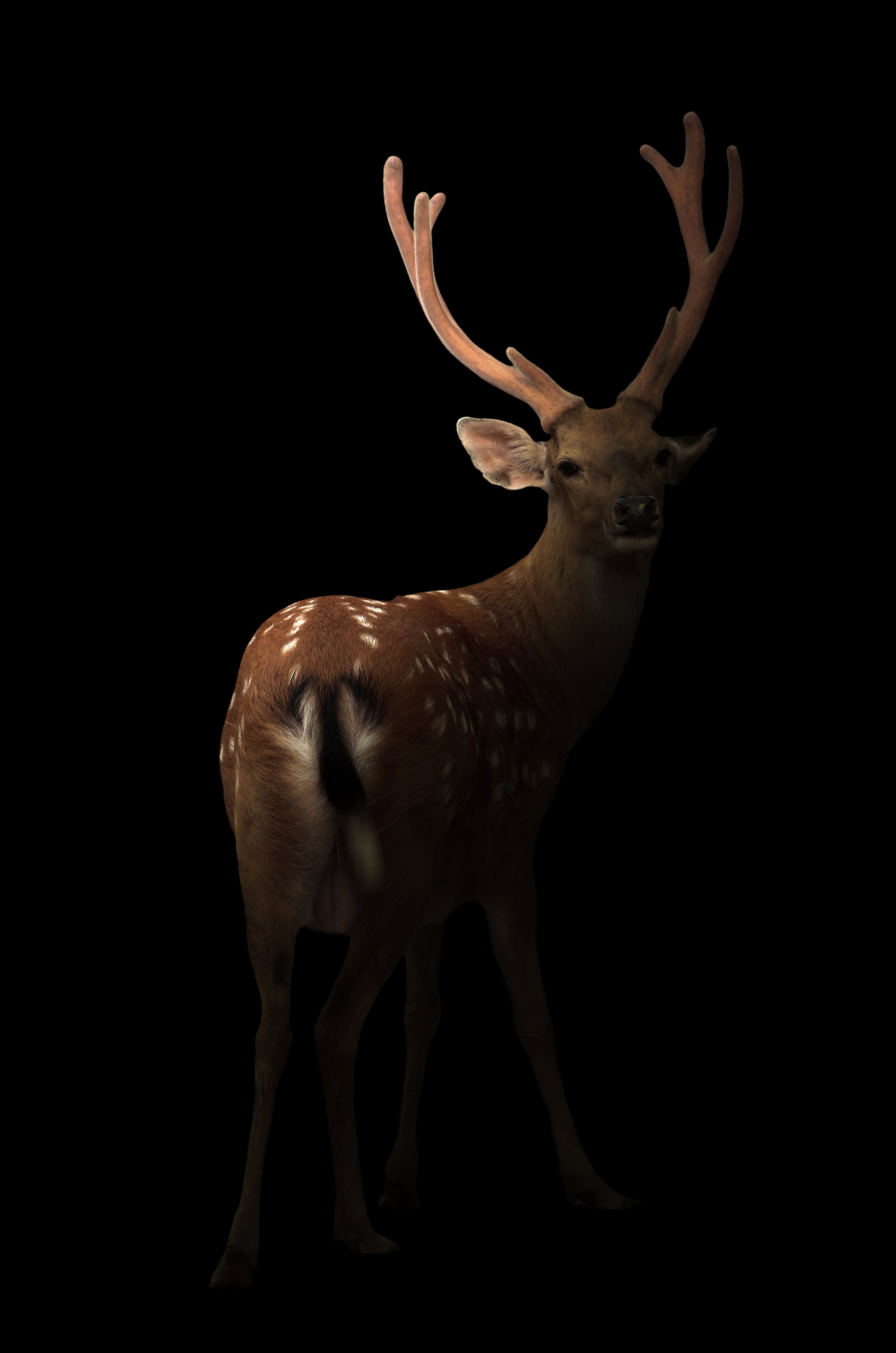
However, when human systems expand without regard for this cosmic order, they introduce a chaotic friction into the ecosystem. Deer react to shifts in the electromagnetic field caused by large human populations through heightened distress, behavioral disorientation, and spatial avoidance. While a single human generates only a faint bioelectric field from muscle contractions and nerve impulses, the collective movement of a large population brings massive infrastructure, such as cellular networks, high-voltage power grids, and dense vehicular traffic, that heavily alters and corrupts the local electromagnetic landscape.
Healing this rift and restoring the natural balance of the electromagnetic field requires transitioning to lifestyles and technological architectures that prioritize intentional minimization, hardwired connectivity, and source-level containment over ambient, continuous wireless saturation. Ultimately, aligning human infrastructure with natural law means treating the electromagnetic spectrum like a clean, sacred resource, reducing unnecessary "noise" so that all biological systems, from human circadian rhythms to wildlife magnetoreception, can once again function without chronic friction.